Vuong Doanh
Go Beyond Yourself. Pursue Excellence
Go Beyond Yourself. Pursue Excellence
Design & Production Serivce
036 6169 888






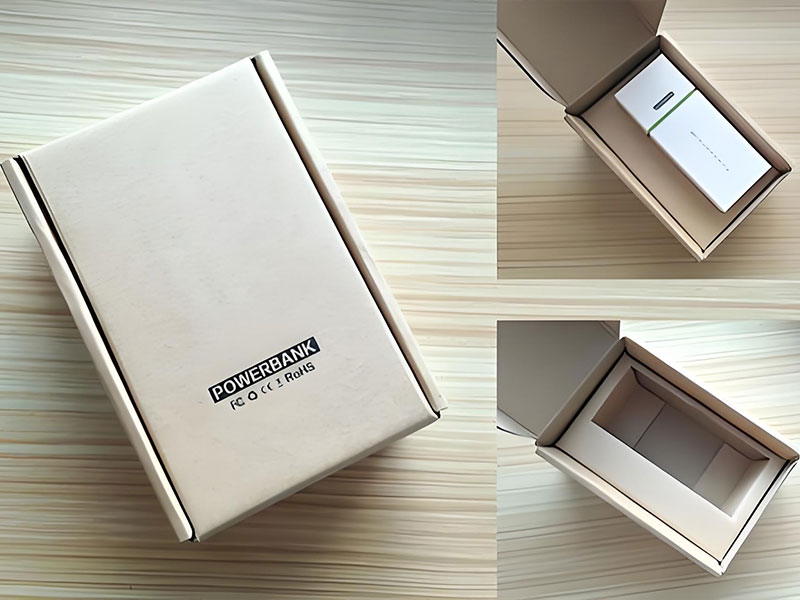
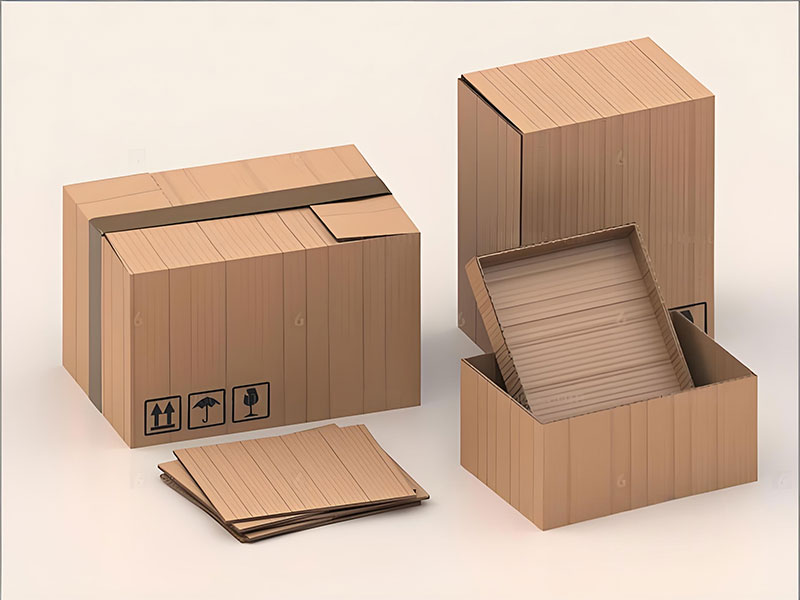
Recently, the carton market has experienced sharp price fluctuations, with increases as high as 15%–25%. This change has placed considerable cost pressure on the many clients who rely on carton packaging.
According to industry data, carton prices have been on a sustained upward trend. The reasons behind this significant price hike are multifaceted. From a raw material perspective, the price of waste paper—the primary raw material for carton production—has soared. Due to tightened environmental policies and adjustments to the waste paper recycling system, the volume of recycled waste paper has declined. Meanwhile, domestic paper mills continue to have strong demand for waste paper. This supply‑demand imbalance has driven waste paper prices higher, which in turn has pushed up the production costs of cartons.
In addition, rising transportation costs have further exacerbated the price increase. Fluctuations in fuel prices and adjustments to transport policies have significantly raised the cost of shipping cartons from production sites to clients across various regions. This added cost has ultimately been passed on to the selling price of cartons.
For the majority of clients, the rise in carton prices has undoubtedly imposed a heavy cost burden. In the packaging industry, many small and medium‑sized enterprises already operate on thin profit margins. This sharp increase in carton prices has forced them to reassess their cost control strategies. Some companies have indicated that while they have tried to negotiate prices with suppliers, the overall market environment has rendered these efforts largely ineffective. To cope with rising costs, some enterprises have had to adjust their product prices, which has to some extent affected their market competitiveness. Others are exploring alternative packaging materials, but finding suitable, cost‑effective substitutes in a short time is no easy task.
In the e‑commerce sector, cartons are an indispensable packaging material for product shipping. With the rapid growth of the e‑commerce industry, demand for cartons has continued to rise. The current price increase has significantly raised operating costs for e‑commerce companies. One e‑commerce practitioner revealed that packaging costs previously accounted for a certain percentage of total costs; now, with carton prices rising, this percentage has grown markedly, squeezing profit margins. In an effort to reduce costs, some e‑commerce companies are trying to optimize their packaging solutions—for example, by reducing excessive packaging and adopting lighter, more environmentally friendly packaging formats. However, these measures are unlikely to fully offset the impact of rising carton prices in the short term.
In the face of rising carton prices, industry experts suggest that enterprises should, on the one hand, deepen their cooperation with suppliers by negotiating long‑term, stable procurement contracts to secure more favorable pricing. On the other hand, they should increase investment in packaging innovation and R&D to find more cost‑effective packaging solutions. At the same time, relevant government departments should closely monitor price dynamics in the carton market, guide the healthy development of the industry, and seek a better balance between environmental policies and industrial development, so as to alleviate the cost pressures on enterprises caused by raw material price fluctuations.
This sharp increase in carton prices has not only brought the challenge of rising costs to clients but also presented new challenges and opportunities for the entire packaging industry chain. How to maintain competitiveness and achieve sustainable development in the face of increasing costs is an urgent issue that many enterprises need to address.