Vuong Doanh
Go Beyond Yourself. Pursue Excellence
Go Beyond Yourself. Pursue Excellence
Design & Production Serivce
036 6169 888




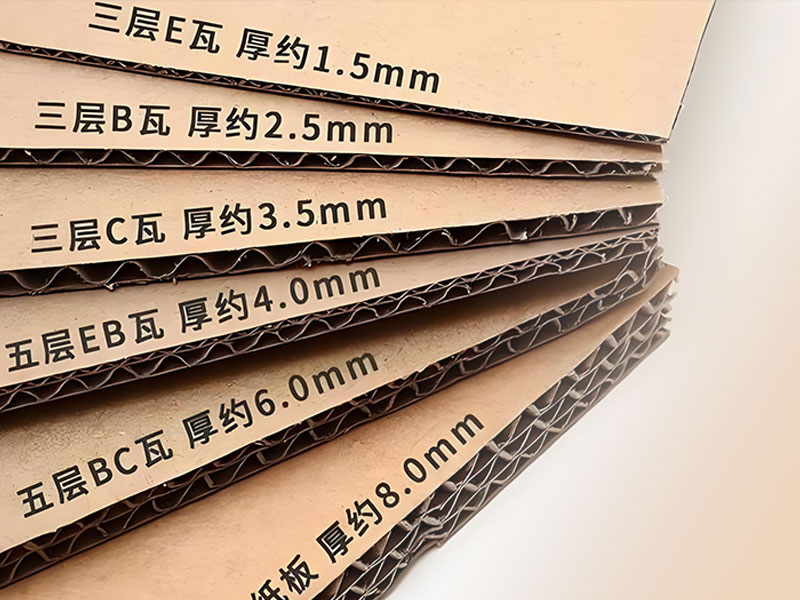

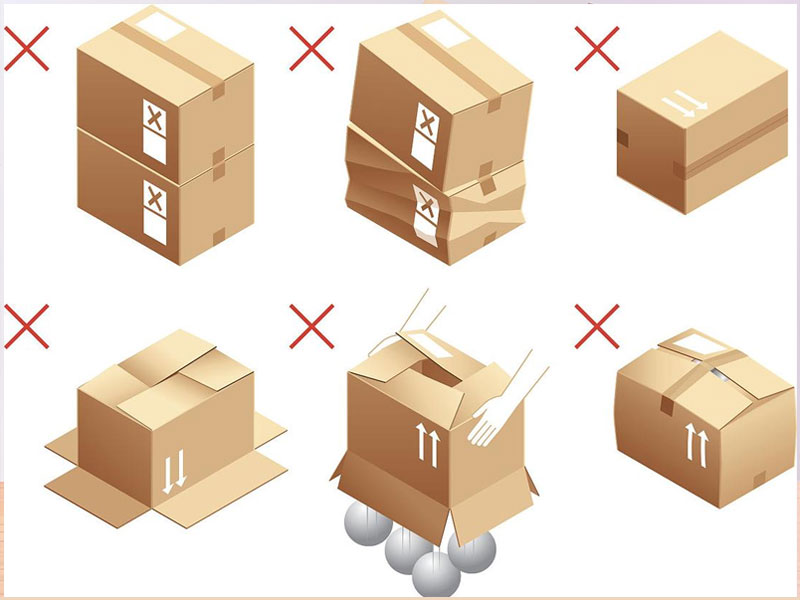
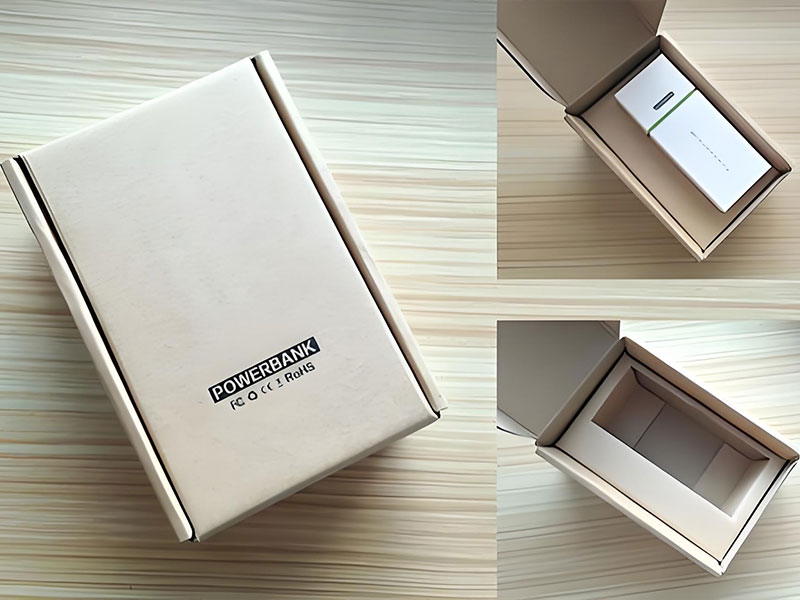
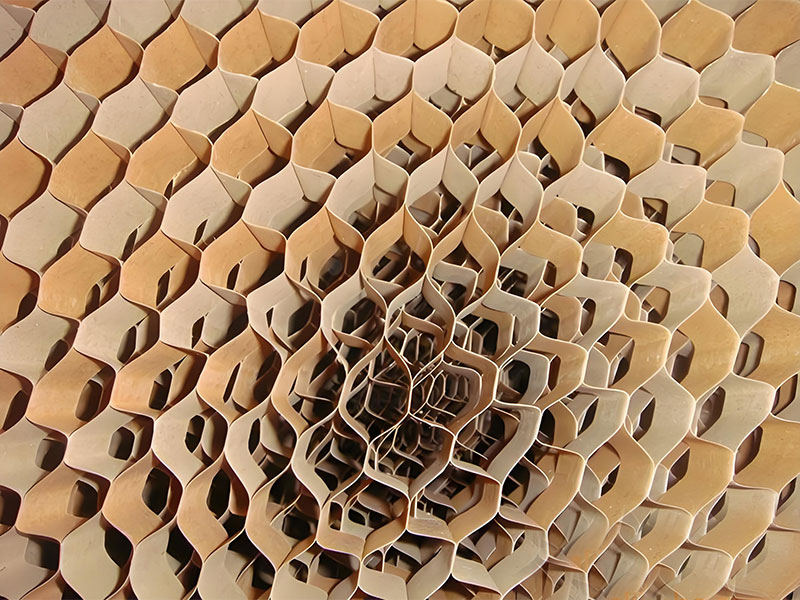
Corrugated board is made by bonding together the face paper, liner paper, core paper, and the corrugated medium that has been processed into a fluted shape. Depending on the packaging requirements of the goods, corrugated board can be processed into single‑face corrugated board, single‑wall (three‑layer) corrugated board, double‑wall (five‑layer), triple‑wall (seven‑layer), and even eleven‑layer corrugated board.
Corrugated boards made from different flute shapes also have different functional properties. Even when using the same quality of face paper and liner paper, differences in flute shape result in certain performance variations in the finished corrugated board. There are four internationally recognized flute types: A‑flute, C‑flute, B‑flute, and E‑flute. Their technical specifications and requirements are listed in Table 1. Corrugated board made with A‑flute offers good cushioning properties and a certain degree of elasticity; C‑flute is slightly inferior to A‑flute in cushioning but has better stiffness and impact resistance. B‑flute has a higher flute density, resulting in a flatter surface, higher compression strength, and better printability. E‑flute, being thin and dense, exhibits even greater rigidity and strength.
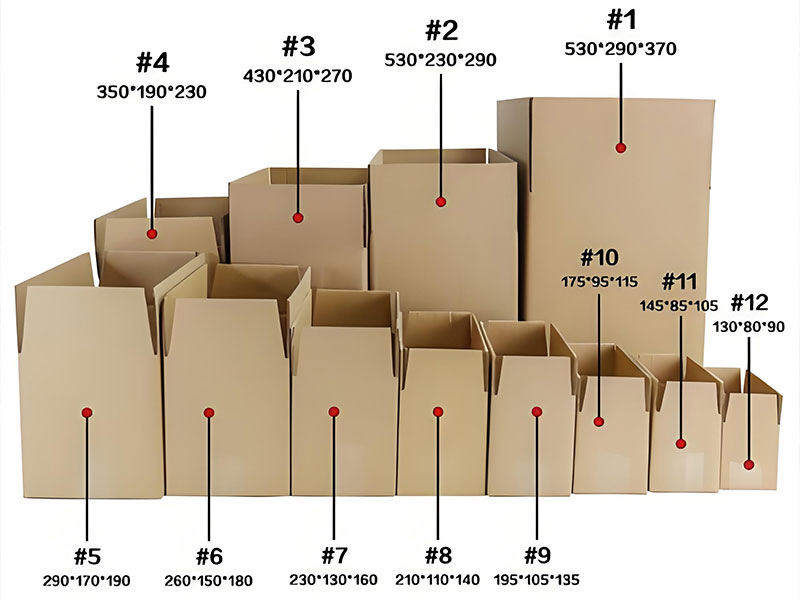
The difference between container‑use cartons and non‑container‑use cartons mainly lies in the external dimensions and is closely related to the flute type. The following table details the relationships between carton internal dimensions, manufacturing dimensions, and external dimensions:
Method for Measuring Manufacturing Dimensions of Corrugated Cartons
The manufacturing dimensions of a carton are the blank dimensions used during box‑making. The crease lines on the unfolded carton blank serve as the reference for measurement. The creasing roller on the slitter‑scorer creates a groove at the crease position, and the crease line is the centerline of this groove. The distance between two crease lines is the manufacturing dimension. The conversion from manufacturing dimensions to internal and external dimensions can be done quickly using Table 2, but each also has its own specific measurement method.
During the manufacturing process, corrugated cartons can be made as single‑piece or two‑piece constructions. A single‑piece carton is a one‑piece forming box, generally used for cartons with smaller perimeter dimensions. A two‑piece carton, also called a two‑panel box, is used when the carton perimeter is too large to be formed from a single blank; sometimes, however, carton factories use two pieces to assemble a carton even when the dimensions are not particularly large, in order to utilize leftover materials from the production process, and occasionally even four pieces are used. Compared with single‑piece cartons, two‑piece cartons have one additional joint, so there are minor differences in area calculation between the two.
Joint and Trim Allowance
The manufacturing dimension for the carton joint is determined by the number of corrugated layers and the production process level: for single‑wall corrugated board, it is 35–40 mm; for double‑wall corrugated board, 45–50 mm; and for triple‑wall corrugated board, 50 mm.
When calculating the unfolded area of a carton, the trim loss during the manufacturing process must be taken into account. The trim allowance is determined by the number of paperboard layers and is generally 20–40 mm.
For convenience in practical calculations, the rule of "adding 8 and adding 4" is uniformly adopted—that is, the total allowance for the joint and trim in the horizontal direction is set at 8 cm, and the total trim allowance in the vertical direction is set at 4 cm.