Brief Introduction to the Characteristics, Applications, and Classification of Cartons
I. Characteristics of Cartons
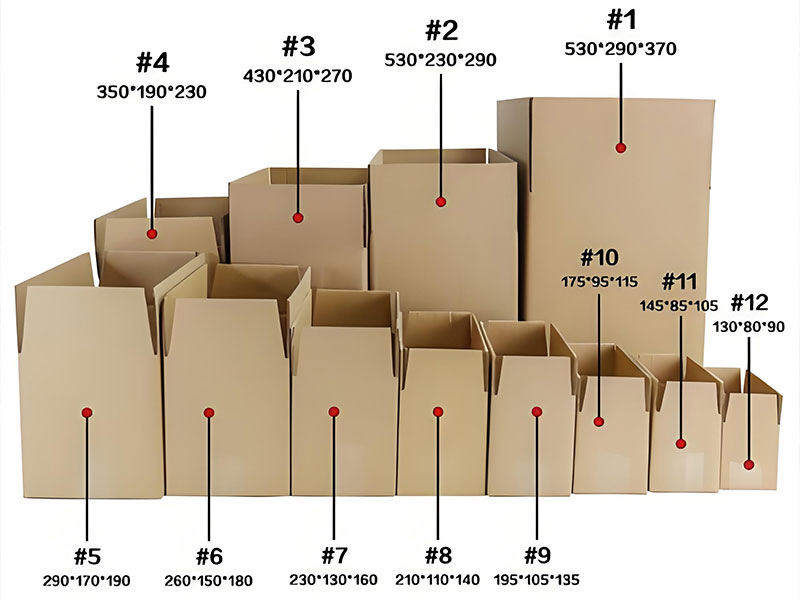
Cartons have an attractive appearance, are sturdy and durable, and can be used for both domestic and export sales. Their dimensions can be customized according to customer requirements.
II. Applications of Cartons
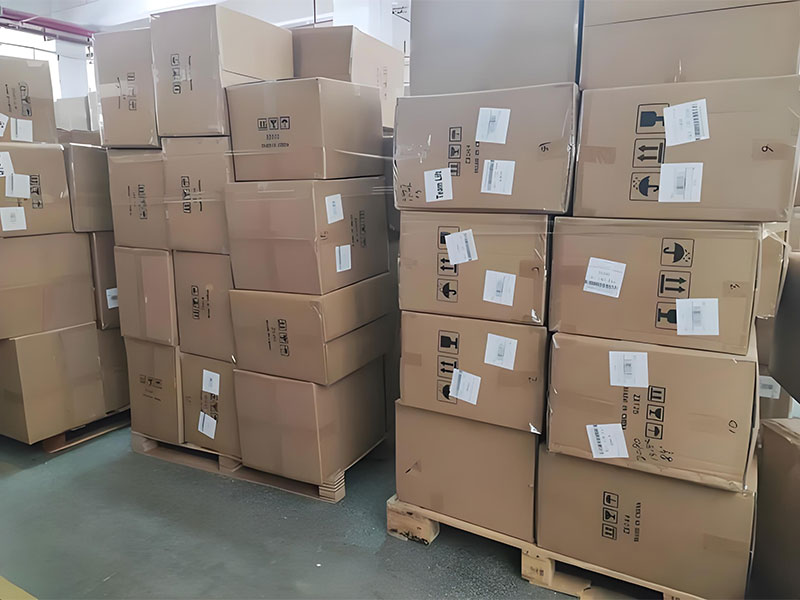
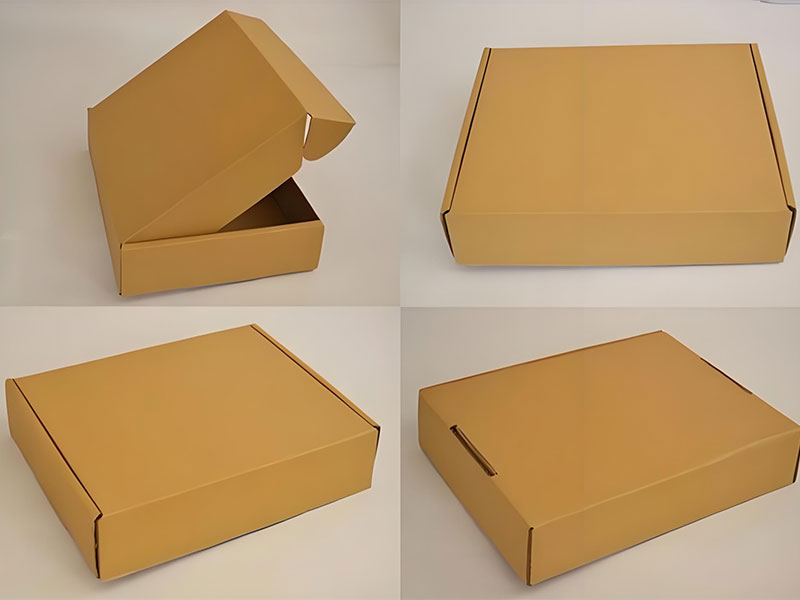
Carton box: Suitable for packaging various types of goods and products for domestic or export use; economical and practical.
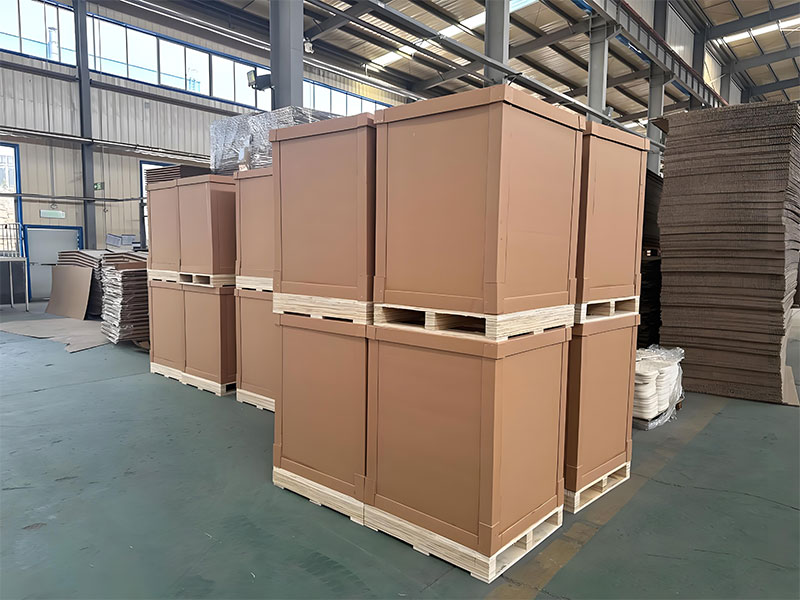
Slip sheet carton: Suitable for packaging and transporting large machinery, electromechanical products, heavy equipment, and production lines.
Slatted crate: Suitable for domestic transport packaging of large plastic parts, fabrics, or automotive glass, among other products.
Collapsible crate (ring crate): A new type of reusable packaging suitable for irregularly shaped products such as fasteners, metal balls, and stamping parts. It is the ideal packaging choice for products exported to Europe.
Plywood crate: Suitable for packaging and transporting general commodities; the total weight per single crate is generally recommended not to exceed 2 tons.
III. Classification of Cartons
Wooden crates/boxes: Rigid rectangular packaging containers made from wood, bamboo, or composite wood‑based materials.
Ordinary wooden crates: Wooden crates constructed from panel boards and frame members.
Slip sheet wooden crates: Wooden crates with a base constructed using a sliding‑wood structure, with sides and ends made of panel boards and frame members.
Framed wooden crates: Wooden crates with sides and ends constructed using frame‑type structures combining frame members and panel boards, and a base constructed with a sliding‑wood structure.
Fully enclosed wooden crates: Closed wooden crates with all surfaces nailed or assembled with wooden planks.
Slatted crates: Fence‑like wooden crates with surfaces nailed together using wooden slats.
Wire‑bound wooden crates: Wooden crates where the panels are connected with wire to form the box surfaces, reinforced with frame members.
Plywood crates: Wooden crates made with wooden frame members and plywood paneling.
Bamboo plywood crates: Wooden crates with wooden frames or frame members and bamboo plywood or wood plywood paneling.
Wood‑frame corrugated crates: Composite wood‑paper crates with a wooden structural frame and corrugated board paneling.
Collapsible wooden crates: Wooden crates that can be disassembled and reassembled without damaging the integrity of the components, and can be reused.