Vuong Doanh
Go Beyond Yourself. Pursue Excellence
Go Beyond Yourself. Pursue Excellence
Design & Production Serivce
036 6169 888




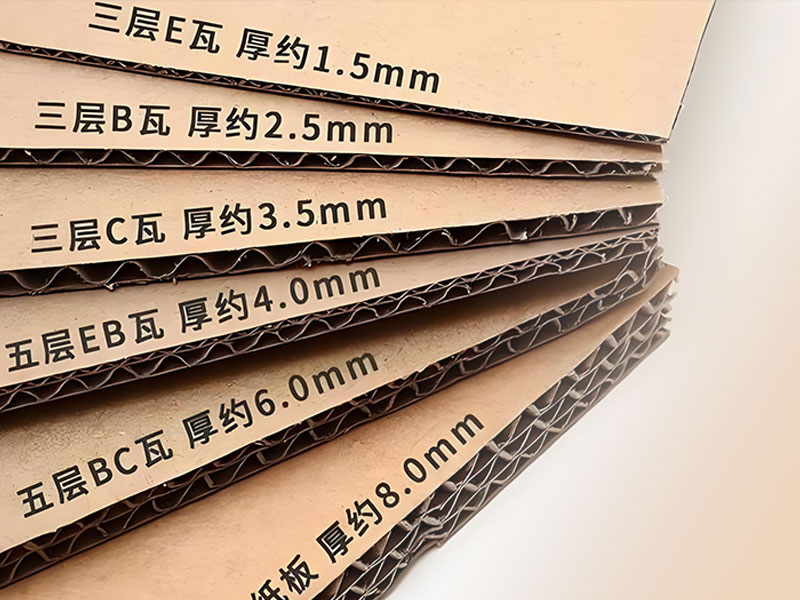

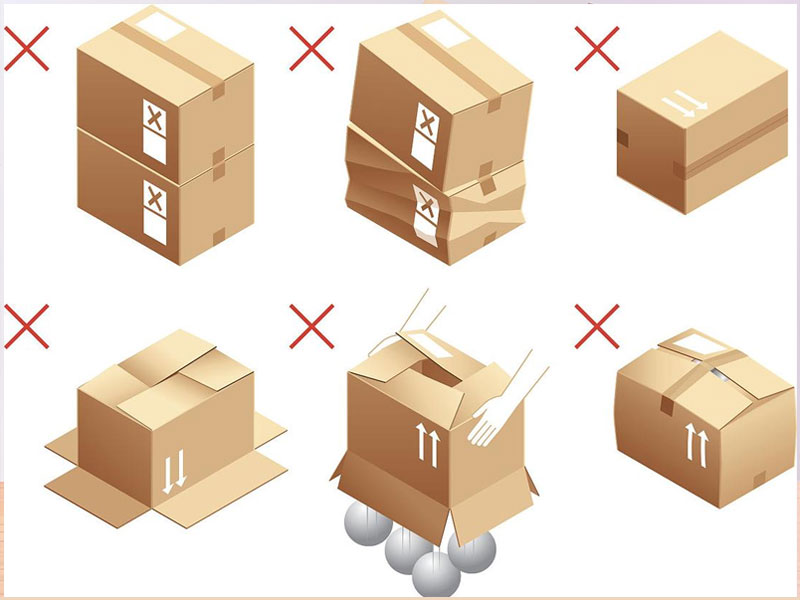
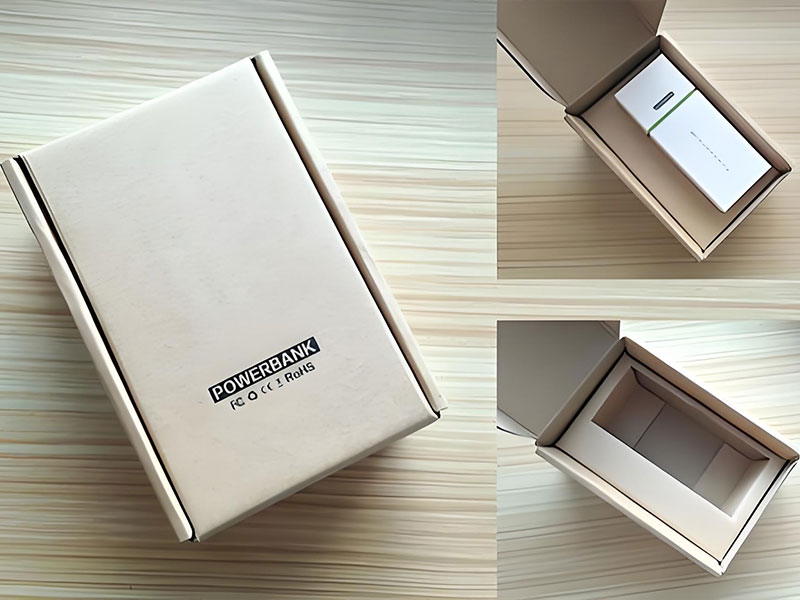
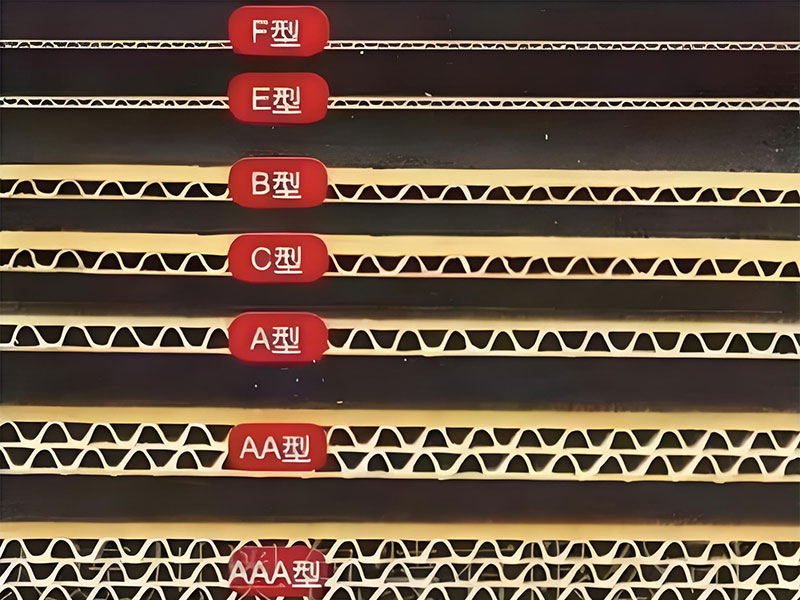
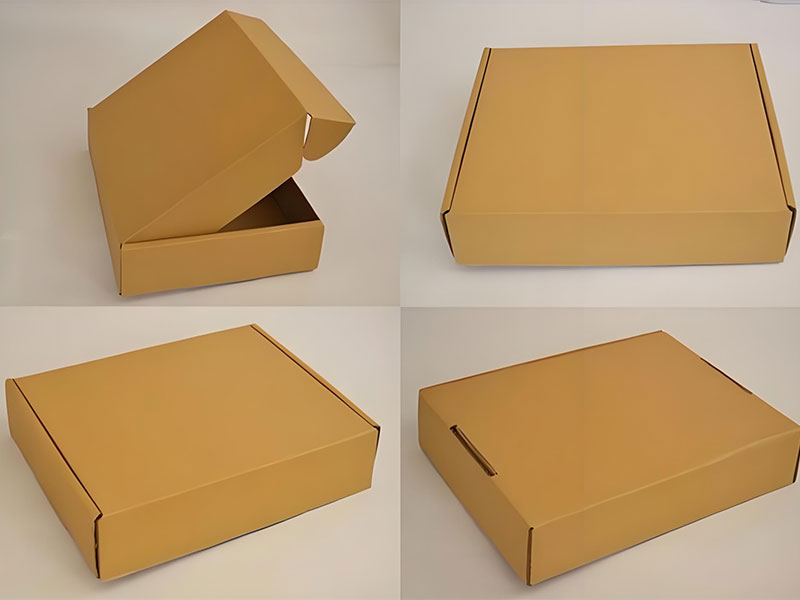
A carton is composed of multiple layers of paper, and the proper combination of these paper layers is the fundamental condition for ensuring the carton's compression strength. By testing the physical properties of each layer of paper, we can preliminarily calculate the compression strength of the carton, and then use this calculated value to control the compression strength throughout the various stages of the production process.
The ring crush strength of the paper is the key to ensuring the carton's compression strength, though other physical properties of the paper should not be overlooked. When the tensile strength of the paper—especially the fluting medium—is insufficient, the carton will show a steady, simultaneous increase in force and deformation during compression testing. The final value may be high, but the effective force value is low, and after testing the box deforms like an accordion. The water resistance of the paper is also very important, particularly for refrigerated boxes, which have higher requirements for water resistance. Sometimes, even though a carton has high compression strength, if the paper is not waterproof, the carton can easily absorb moisture when stored in a cold storage, leading to stack collapse.
The production process of the carton can also affect its compression strength. Tests have shown that under the same conditions, for every 1 mm increase in the width of the transverse crease line, the carton's compression strength decreases by 90 N–130 N, and deformation increases by approximately 2 mm. If the crease line is too wide, the force value increases slowly during compression testing, the effective force value is low, and the final deformation is large. To ensure compression strength, we should strive to improve the production process and reduce the impact of each step on the carton's compression strength.
Selecting the appropriate flute type based on the carton box style is also critical. There is a common misconception that a larger flute type results in higher compression strength, while the effect of flute type on deformation is often overlooked. The larger the flute type, the higher the compression strength and the greater the deformation; the smaller the flute type, the lower the compression strength and the smaller the deformation. If a carton is too large but uses a very small flute type, it will easily collapse during compression testing. Conversely, if a carton is too small but uses a very large flute type, the deformation during testing will be excessive, the cushioning process will be prolonged, and there will be a large deviation between the effective force value and the final force value.
The influence of moisture on the compression strength of cartons must not be ignored. Factors such as the production environment, storage environment, usage environment, weather, and climate can all affect the moisture content of cartons. To ensure compression strength, external environmental influences on the carton's moisture content should be minimized as much as possible.