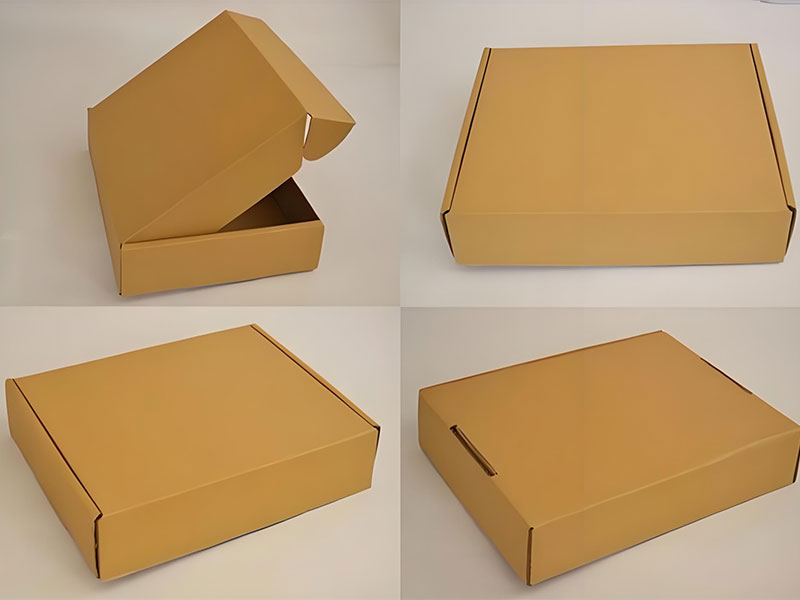
Brief Introduction to the Advantages and Structural Classification of Corrugated Cartons
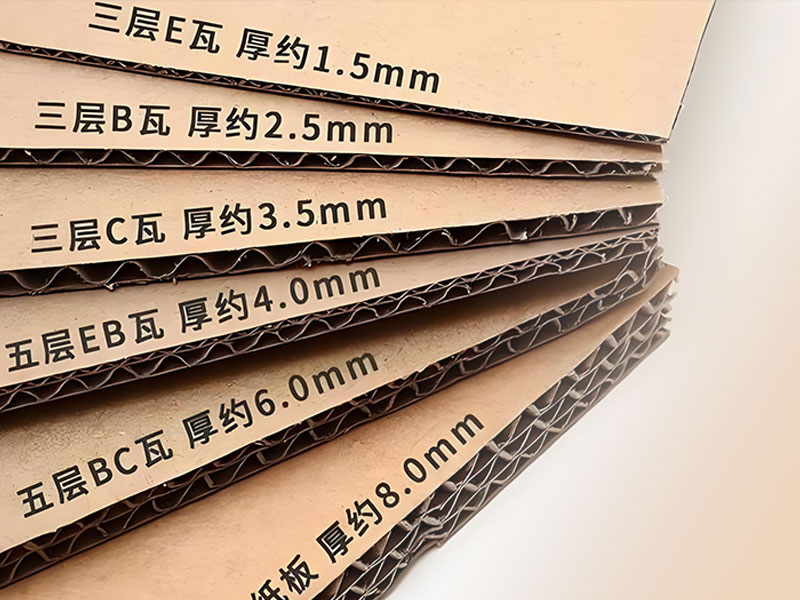
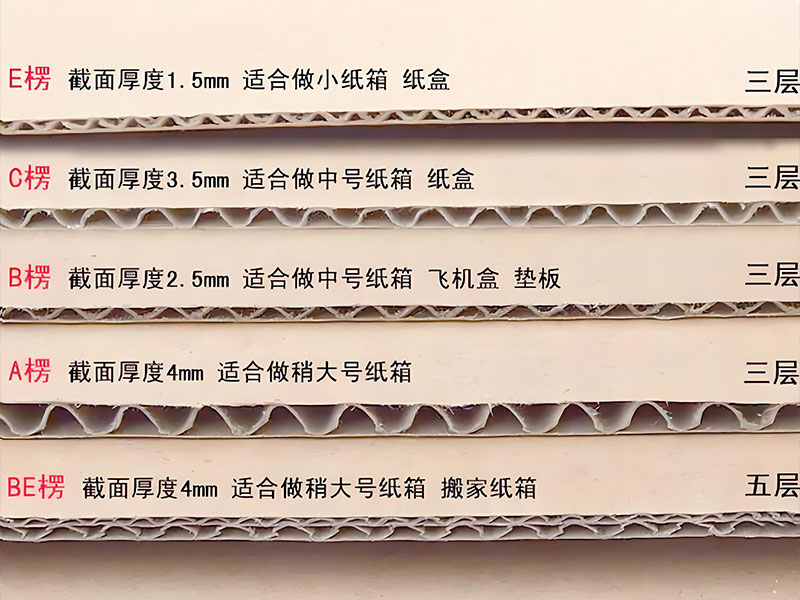
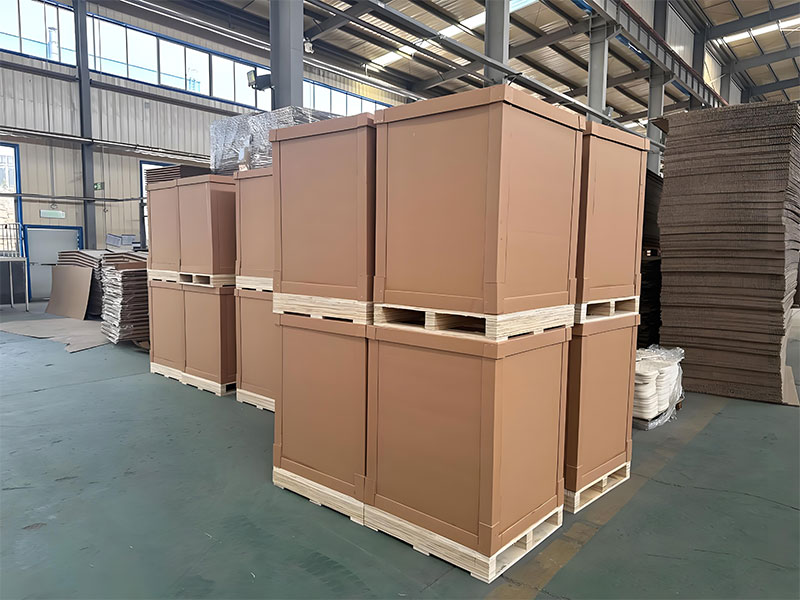
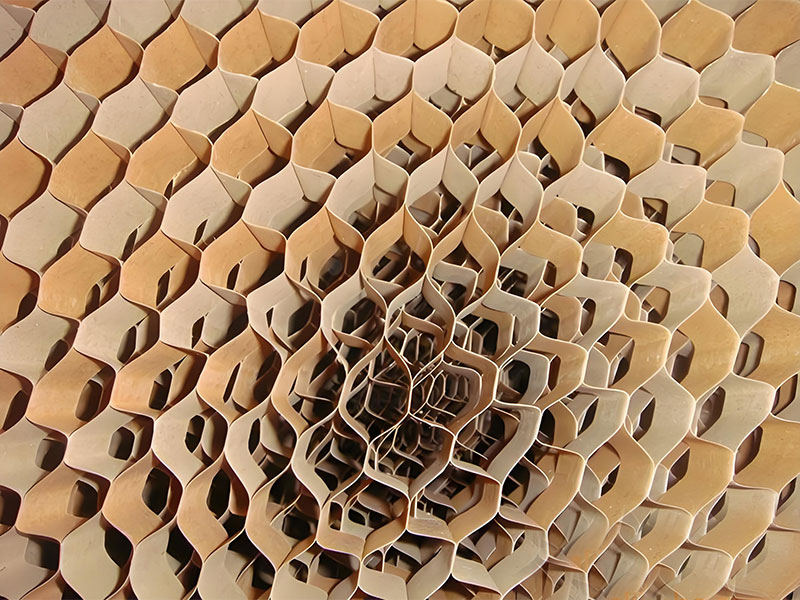
Corrugated cartons are paper packaging containers made from corrugated board. They offer numerous advantages: light weight and good structural performance. The internal corrugated structure, similar to an arch, provides shock absorption and cushioning, giving it excellent mechanical properties. It offers many protective functions for packaged goods, such as moisture resistance, heat dissipation, and ease of handling. Transport costs are low, and it is easy to achieve mechanization and automation in packaging and transportation.
Changes in specifications and dimensions are easy to implement, allowing quick adaptation to packaging various types of goods. Sealing and strapping are convenient and suitable for automated operations. It accommodates a wide range of decorative printing for different carton types, effectively addressing both product protection and promotional needs.
Used cartons are easy to recycle and meet environmental requirements. By combining with various coatings or moisture‑proof materials, their application range can be expanded.
Based on structure, corrugated cartons can be broadly divided into three categories:
(1) Slotted‑Type Cartons (Type 02)
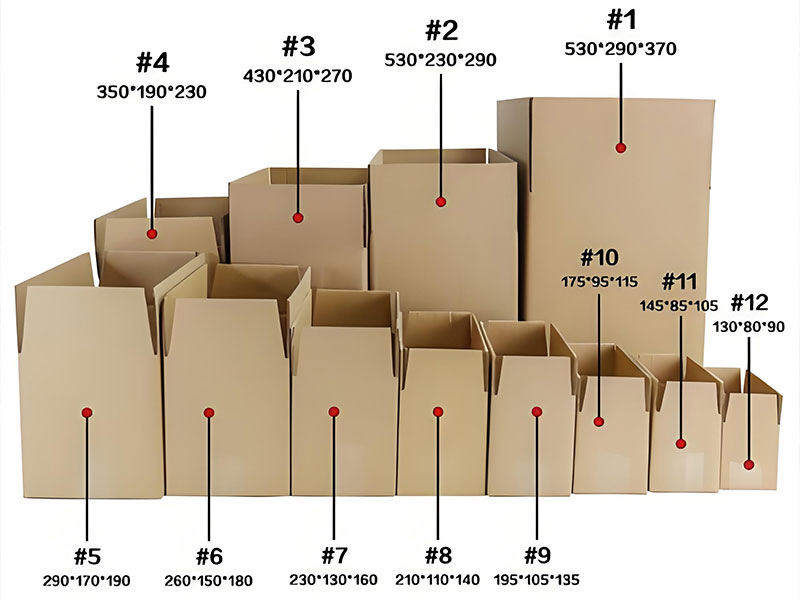
Slotted‑type cartons are the most basic box style in transport packaging and are currently the most widely used. They are made from one or more pieces of processed corrugated board joined by stapling or gluing. The bottom and top flaps (lower and upper flaps) form the box bottom and lid. This type of carton can be folded flat during transport and storage, offering advantages such as small volume, convenient use, dustproof sealing, and neatness both inside and out.
(2) Telescoping‑Type Cartons (Type 03)
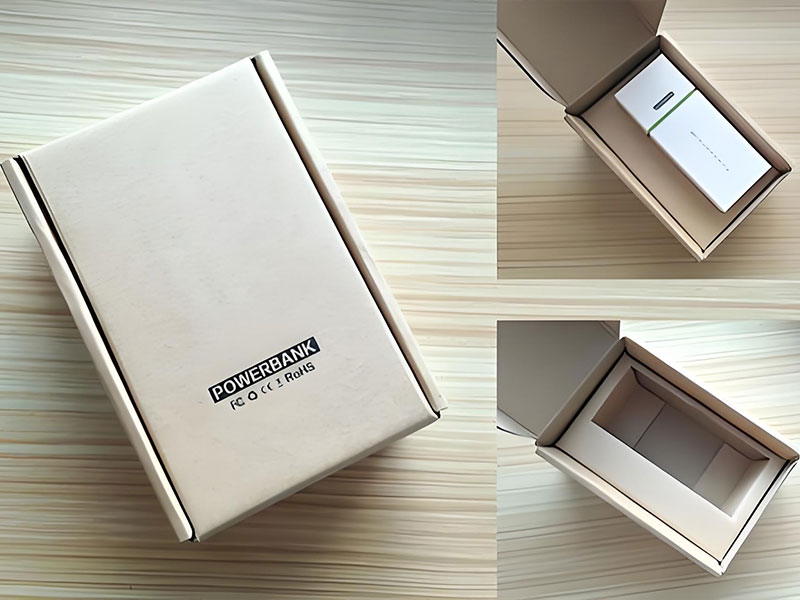
Telescoping‑type cartons consist of one or more pieces of processed corrugated board, characterized by separate box body and lid, which are fitted together during use. The advantages are convenient loading and sealing, difficulty for goods to fall out after packing, and overall strength higher than that of slotted‑type cartons. The disadvantage is that they occupy more space after assembly, making transport and storage less convenient.
(3) Folding‑Type Cartons (Type 04)
Folding‑type cartons, also known as special‑shaped cartons, are usually made from a single piece of corrugated board, folded to form the bottom, sides, and lid without stapling or gluing.
In addition, to ensure that goods are not damaged during transport, accessories with reasonable structures must be designed according to the characteristics and requirements of different products to protect the goods.
The most basic carton accessories typically include:
(1) Partitions – Used for packaging fragile and easily damaged items such as bottles, separating each item inside the box to prevent shaking and collision.
(2) Liners (or Insert Pads) – There are basically three types: full liners, used for multi‑layer stacking inside the box for separation between layers; bridge liners, used to fill the gap where the inner flaps meet; and loop liners (or liner rings), placed around all four side walls of the box to improve compression strength and protect the goods.
(3) Cushions (or Pads) – Designed according to the different shapes and vulnerable parts of the products, these are used to secure the goods, ensuring they do not shift during transport while also providing cushioning.