A Detailed Introduction to Quality Control at the Corrugated Carton Production Site
According to the purpose of inspection, it can be divided into control inspection, acceptance inspection, and quality agency inspection and appraisal. Carton enterprises, while ensuring product quality, may establish quality inspection departments and assign inspectors according to their specific conditions. In‑process inspections generally take the following forms:
First‑piece inspection – This is a preventive inspection during the manufacturing process, suitable for mass production. The first piece should be checked by the operator themselves and then verified by a full‑time inspector.
Patrol inspection – Inspectors conduct random checks on the quality of related processes at regular intervals on the production floor.
Completed process inspection – This is an inspection of products after a batch has been processed, mainly referring to products between different process stages.
Finished product inspection – This is the final inspection before the corrugated carton products reach the customer.
Product Quality Audit
The content of a carton product quality audit includes:
Grading carton quality defects into major defects and minor defects, with detailed inspection items listed.
Recording the types of quality defects and the audit results after the actual audit.
Analyzing quality defects promptly, filling out a carton quality audit report as comprehensively as possible, reporting the results to the management and relevant departments, and transmitting and archiving the quality information and data in a timely manner.
Production Site Quality Control
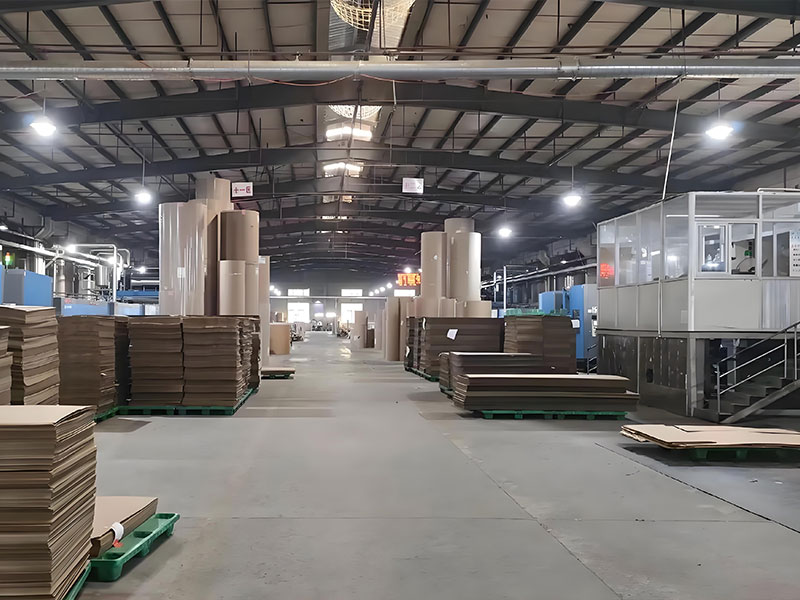
Creating a good production order and environment. Keeping the production site clean and tidy is also an indispensable condition for ensuring carton quality. Factors such as the stacking and handling of work areas, tools, and products, the operator's working environment, and site cleanliness all have a significant impact on the production of corrugated cartons and should be regulated. Therefore, effective control can be achieved by implementing point‑to‑point management at the production site. Measures include: establishing management standards for the corrugated carton production site, conducting regular inspections and assessments, and ensuring the proper positioning of machines, equipment, raw materials, work‑in‑process, workstations, and tools. Effective measures should be taken to reduce damage caused by bumps, scratches, contamination, and rough handling during carton handling. Semi‑finished and in‑process products should be tagged and identified—especially products from the corrugator line that are not printed; if they are not tagged, confusion and errors can easily occur when similar products of the same type or similar specifications are mixed.
Control and Corrective Measures for Non‑Conforming Products
Identification and control of non‑conforming products: Non‑conforming corrugated boards and cartons must be clearly marked and must not be mixed with conforming products. They should be isolated and designated to a specific area, and may not be used, transferred, or mixed with conforming products without approval.
Disposition of non‑conforming products: There are four ways to handle them: rework, scrap, conversion into accessories, or sale at reduced prices.
Corrective measures for non‑conforming products: For batch non‑conformities, a quality incident report should be filled out to identify the root causes of the quality problem, and corresponding measures should be taken to effectively control and prevent recurrence. A designated person should be responsible for implementing each measure, monitoring progress, and verifying whether the objectives have been achieved. The results of the measures and any technical modifications should be documented and archived.
To improve corrugated carton quality, we must start with quality control at the production site, focusing on quality prevention as the primary approach, with quality inspection as a secondary safeguard. Prevention and inspection should be combined to eliminate quality‑influencing factors during the production process, continuously improve carton product quality, reduce losses at every stage, and ultimately enhance both the economic and social benefits of the enterprise.