Vuong Doanh
Go Beyond Yourself. Pursue Excellence
Go Beyond Yourself. Pursue Excellence
Design & Production Serivce
036 6169 888





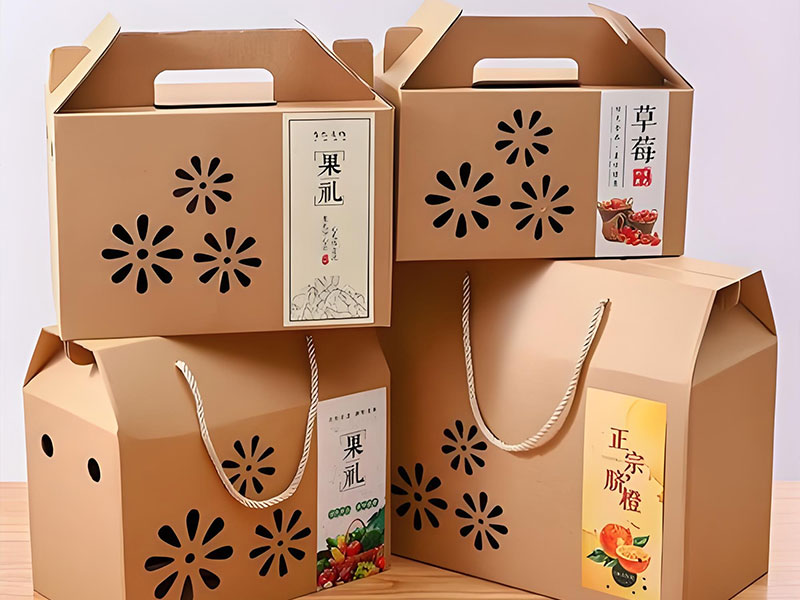
Color Box Packaging Offers More Advantages Than Wooden Cases, Woven Bags, Cloth Bags, and Plastic Boxes, and Can Take Many Forms Depending on the Product Being Packaged. So How Should Consumers Choose the Right Packaging Color Box? To Make an Appropriate Choice, the Following Aspects Should Be Understood.
1. Materials Used for Color Boxes
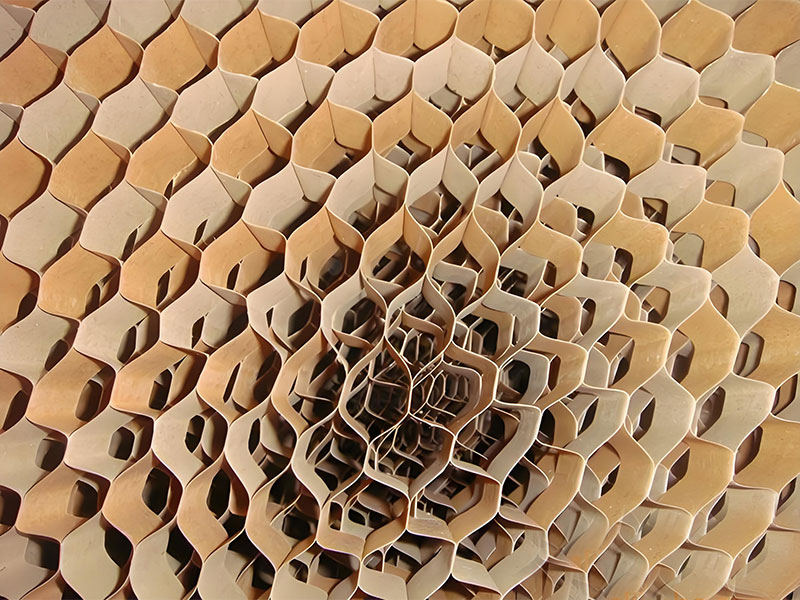
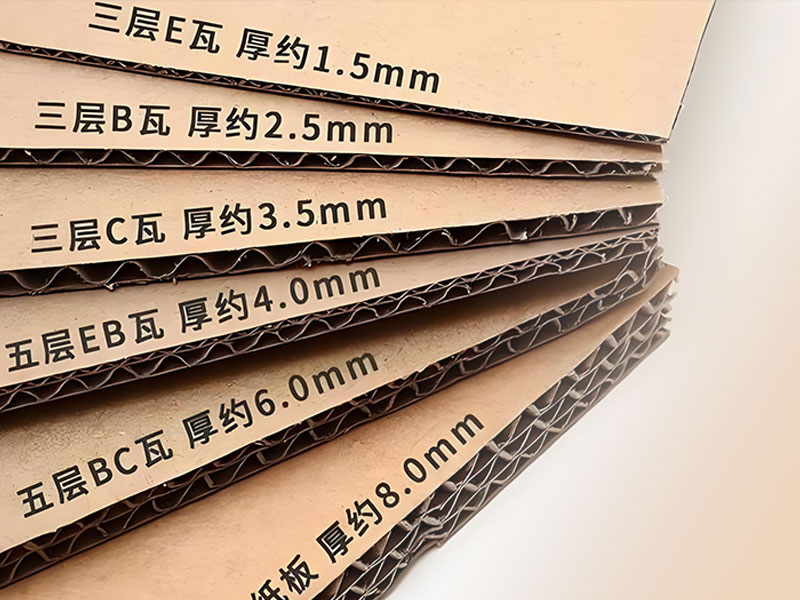
Color boxes can be divided into corrugated color boxes, single‑layer paperboard boxes, etc., based on the materials used, with corrugated color boxes being the most widely used. Corrugated color boxes are further classified by the number of paperboard layers into single‑wall, triple‑wall, five‑wall, seven‑wall, eleven‑wall, etc. Three‑layer (single‑wall) and five‑layer (double‑wall) corrugated color boxes are the most common. The layers from inside to outside consist of liner paper, corrugated medium, core paper, and face paper, respectively, with the structural diagram shown in the figure.
The liner paper is made of tea board paper, the face paper is kraft paper, and the core paper is corrugated medium. Tea board paper is soft, off‑white in color, rough in surface, low in price, and light in weight. Kraft paper is mostly made from pure wood pulp and offers advantages such as compression resistance, tear resistance, puncture resistance, and good water resistance.
Most corrugated paper in China is made from semi‑chemical pulp or wastepaper pulp, and some are made from mixed pulp. The flute shapes are mainly V‑shape, U‑shape, and UV‑shape. V‑shape corrugated paper has high flat compression strength but poor cushioning performance, and it is not easy to recover after impact deformation. U‑shape corrugated paper has strong adhesion and good elasticity; it is not as fragile as V‑shape under external impact, but its flat compression strength is lower than that of V‑shape. UV‑shape corrugated paper not only has high flat compression strength but also good elasticity.
Three‑layer and five‑layer UV‑shape corrugated color boxes are more widely used. The table below provides a reference for determining the appropriate type of corrugated color box based on the maximum overall dimensions of the box body and the maximum weight of the contents.
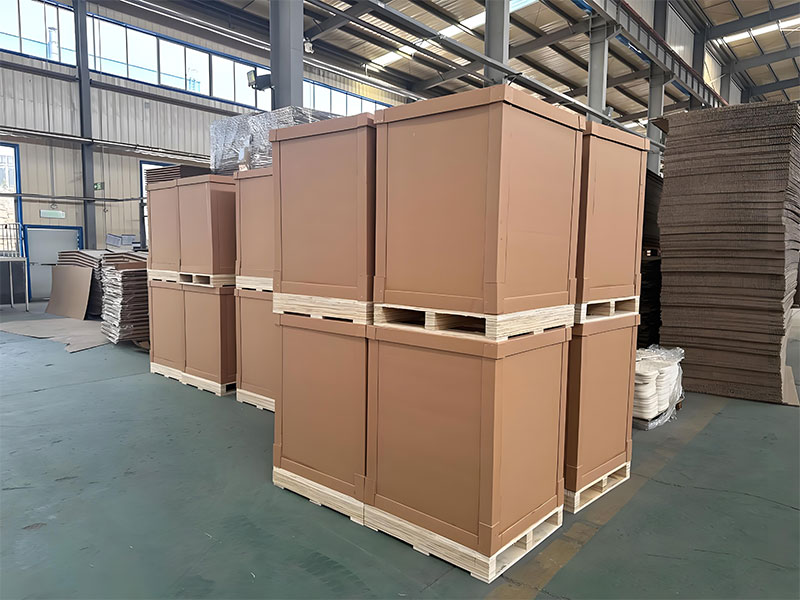
Seven‑layer and eleven‑layer corrugated board are mainly used for packaging large products such as mechanical and electrical equipment, furniture, and motorcycles, offering ultra‑high compressive strength and good cushioning performance.
2. Structural Types of Color Boxes
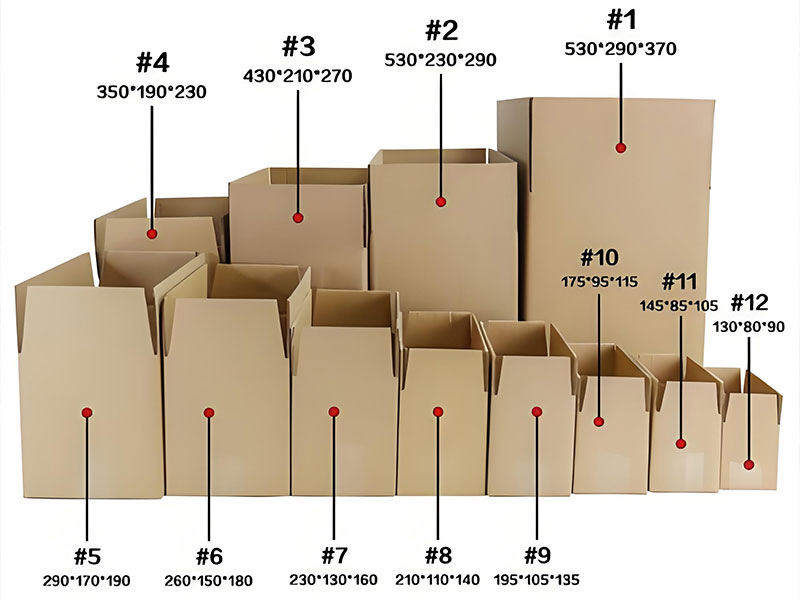
Color boxes come in a wide variety of types and styles. According to international standards, common basic box types include slotted‑type color boxes, telescoping‑type color boxes, folding‑type color boxes, and combination‑type color boxes. There are also new non‑standard box types.
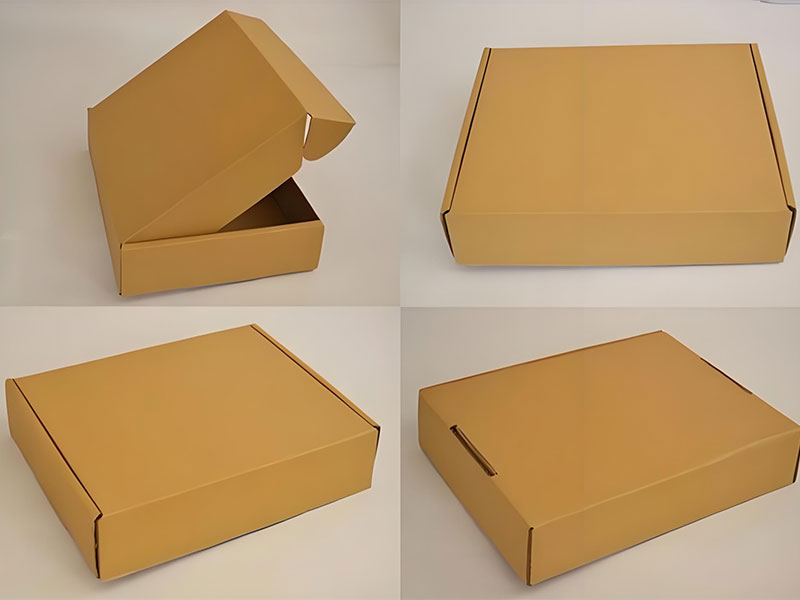
(1) Slotted‑Type Color Boxes. Slotted‑type boxes are currently the most widely used. They are made from one or more pieces of processed corrugated board joined by stapling or gluing. The bottom and top flaps form the box bottom and lid (i.e., lower flaps and upper flaps), which prevent items from falling out from the bottom. The advantages of this type include foldable flat storage for transport and storage, small volume, convenient use, dustproof sealing, and neatness both inside and out.
(2) Telescoping‑Type Color Boxes. Telescoping‑type boxes consist of one or more pieces of processed corrugated board, characterized by separate box body and lid, which are fitted together during use. They offer good rigidity and compression strength. The advantages are convenient loading and sealing, difficult for goods to fall out after packing, and overall strength higher than slotted‑type boxes. The disadvantage is that they occupy more space after assembly, making transport and storage less convenient.
(3) Folding‑Type Color Boxes. Also known as special‑shaped color boxes, these are usually formed from a single piece of corrugated board by creasing and die‑cutting, folded to create the bottom, sides, and lid without stapling or gluing. The advantage is that they take up little space after folding, making transport and storage convenient.
(4) Combination‑Type Color Boxes. These are formed by combining two or more basic box types and can be assembled according to the characteristics of the goods and packaging requirements.
(5) New Non‑Standard Color Boxes. These mainly include wrap‑around color boxes, separable color boxes, and triangular column‑type color boxes. Wrap‑around color boxes are formed when the user, after receiving the box blanks from the box factory, places the contents on the blank and then wraps it into a box using an automatic packaging machine. The advantages are less material usage, a tight fit between the box and contents, and the ability to achieve high‑speed automation. Separable color boxes can be assembled with various auxiliary materials on the basis of traditional standard box types, and can be split into two or more parts during circulation, mainly to resolve the contradiction between mass production and small‑batch sales. Triangular column‑type corrugated boxes are formed with the box body and corner liners in one piece, with the four corners forming triangular or right‑angled column structures, thereby increasing compressive strength by 20%–50%. Triangular column‑type boxes are divided into pallet‑type and sealed‑type, with multiple box styles available.
Whether standard or new non‑standard, common sealing methods include adhesive sealing, tape sealing, interlocking sealing, and U‑shaped staple sealing.
3. Quality Inspection Items for Color Boxes
(1) Appearance Inspection. The printed patterns and text on color boxes must be clear, correct, consistent in color depth, and accurately positioned.
For single‑wall corrugated boxes, the crease line width should not exceed 12 mm; for double‑wall boxes, it should not exceed 17 mm. Fold lines should be centered, with no broken lines, overlapping lines, cracks, or other defects, and no extra crease lines on the box. The cut edges should have no obvious burrs, and damage to the face paper at the cutting edge should not exceed 8 mm from the box edge. After forming, the diameter of any gap at the corners should not exceed 5 mm. Box staples should be made of low‑carbon steel flat wire with a coating, free from rust, peeling, cracking, etc. The spacing should be uniform, with single‑staple spacing not exceeding 55 mm and double‑staple spacing not exceeding 75 mm. After the box is formed, the flaps should be opened and closed 270° three times consecutively, with no cracks on the face paper or liner paper. The overlap flap width should be 35–50 mm, and staples should be driven along the center line of the overlap flap, neatly aligned, with deviation not exceeding 5 mm. The glued overlap flap width should not be less than 30 mm, and the adhesive should be applied evenly and sufficiently without overflow; when the glued surface is peeled, the face paper should not separate. The face paper must not have splicing, material shortage, creases, exposed flutes, adhesive staining, etc. Splicing of the inner liner paper should not exceed two times, and the splice point should be no less than 30 mm from the flap crease line. The moisture content of corrugated boxes should be controlled within 8%–16%. The internal dimensions of the box should have single‑item maximum deviations controlled within the range of –2 mm to +5 mm.
(2) Performance Parameters. The main performance parameters of color boxes include edge crush strength, bursting strength, puncture resistance, and compression strength. Only when these key performance parameters meet the national standards can the color boxes be considered qualified. A qualified batch of color boxes should provide the performance parameter values for consumer reference.
4. Reasonably Selecting Color Boxes Based on Product Characteristics
(1) Selection Based on Product Weight and Size. Lightweight and small products can use single‑layer paperboard boxes, which provide packaging while reducing costs. Larger or heavier products, such as home appliances, computers, auto parts, etc., should use three‑layer or five‑layer corrugated boxes. For products of very large size or extremely heavy weight, such as washing machines, electric vehicle boxes, etc., seven‑layer corrugated boxes are required.
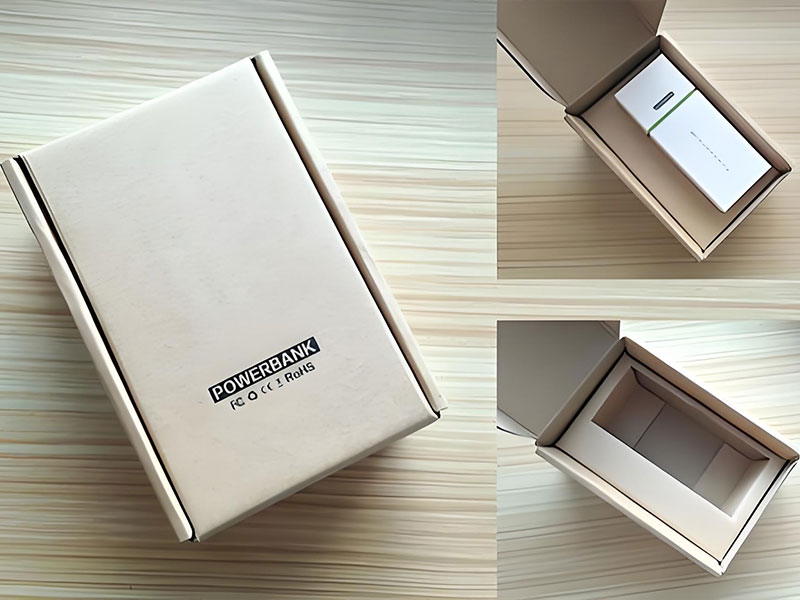
(2) Selection Based on Whether the Product Requires High‑Quality Color Printing. If the product is small and requires an exquisite packaging appearance, high‑grade gift paper boxes should be chosen. The face paper uses white board or kraft board with offset printing, and can also be laminated. Such packaging greatly enhances the product's perceived value—for example, tobacco, liquor, food, and high‑end gifts can all use these boxes. If the product does not require high‑end appearance, it is recommended to use uncoated water‑printed corrugated boxes to reduce costs—for example, express delivery boxes, fruit boxes, etc., can all use water‑printed color boxes.
(3) Selection Based on Whether the Product Requires Double‑Layer Color Box Packaging. If the product requires double‑layer packaging—that is, a large outer box containing multiple smaller inner boxes—regardless of the appearance requirements, the outer box should be a simple water‑printed color box, while the inner boxes are selected according to specific needs. For example, pharmaceutical products generally use double‑layer color box packaging.
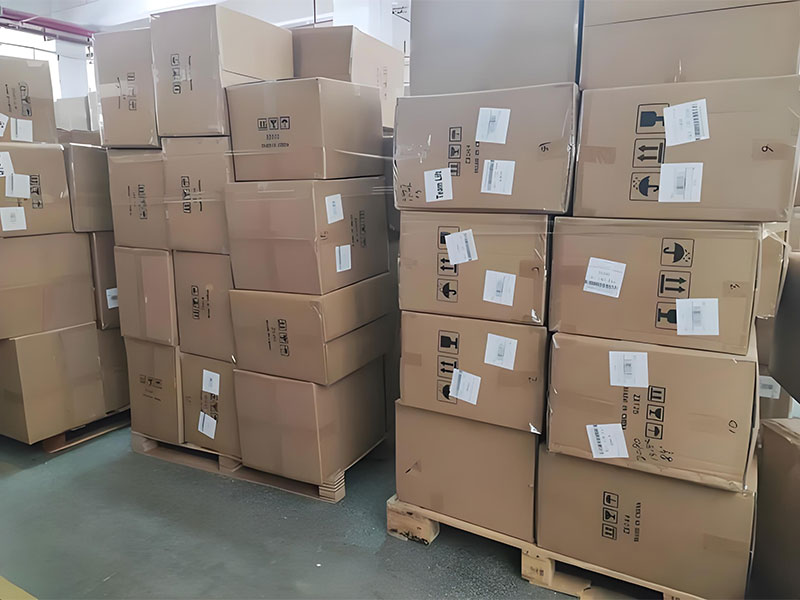
(4) Selection Based on Storage and Transport Conditions. If the product is subject to special conditions such as humidity, freezing, high temperature, etc., during transport, special packaging boxes are required. For example, frozen food transport involves moisture and freezing; to prevent water penetration that would weaken the box strength, laminated boxes are needed. If the transport involves high‑temperature conditions, laminated boxes should be avoided; if printed boxes are required, water‑based ink printing is preferred to prevent fire hazards caused by high temperatures.