Vuong Doanh
Go Beyond Yourself. Pursue Excellence
Go Beyond Yourself. Pursue Excellence
Design & Production Serivce
036 6169 888




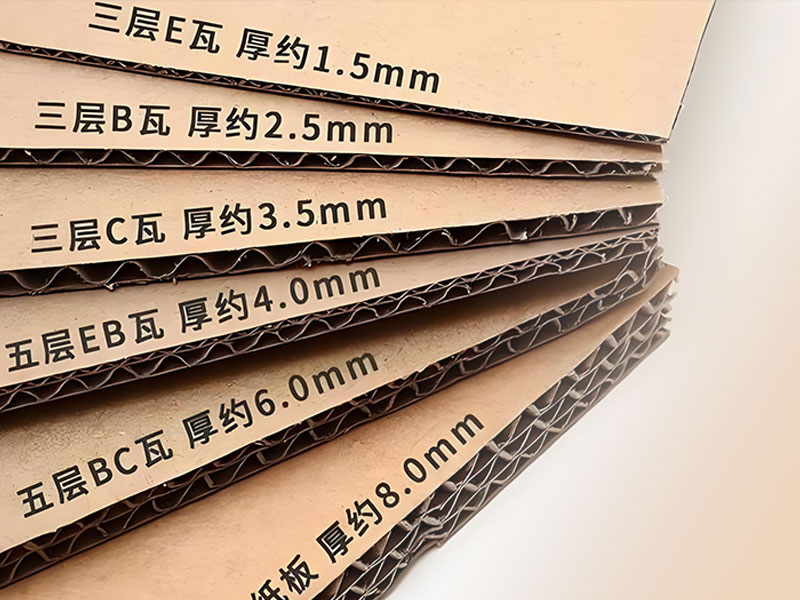

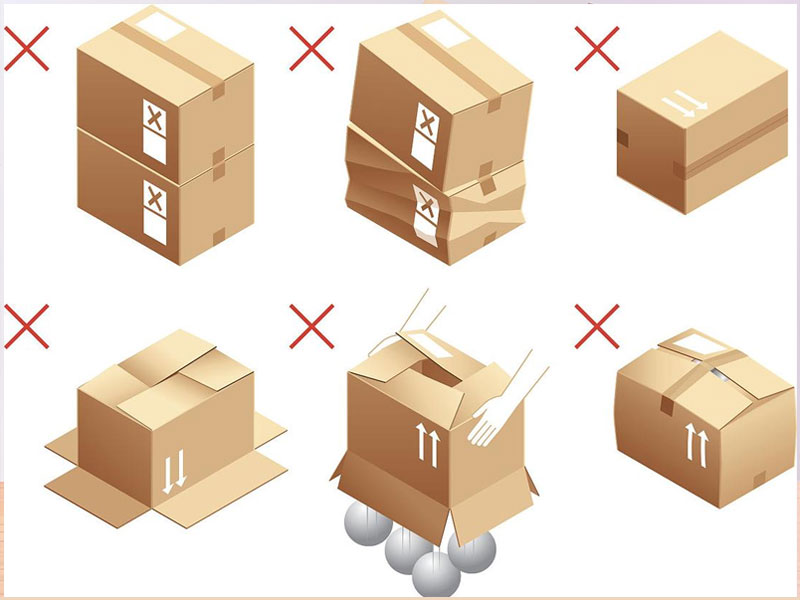
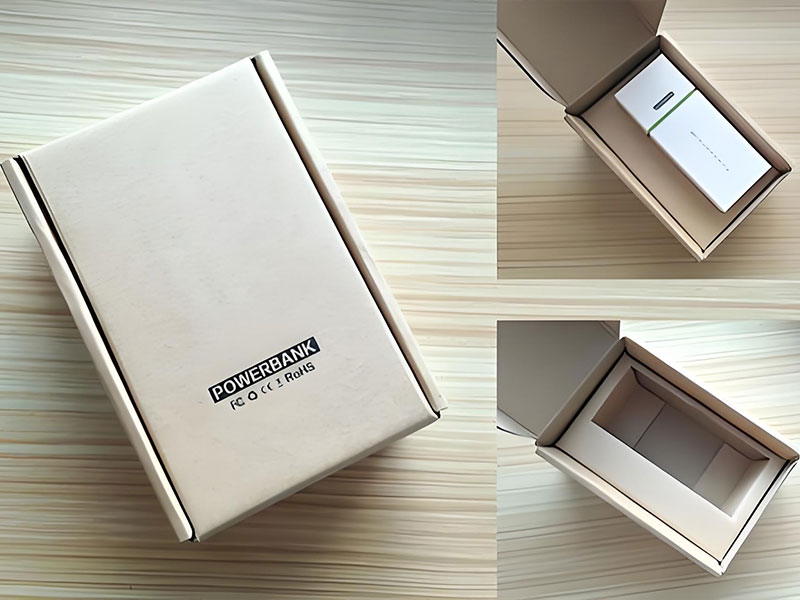
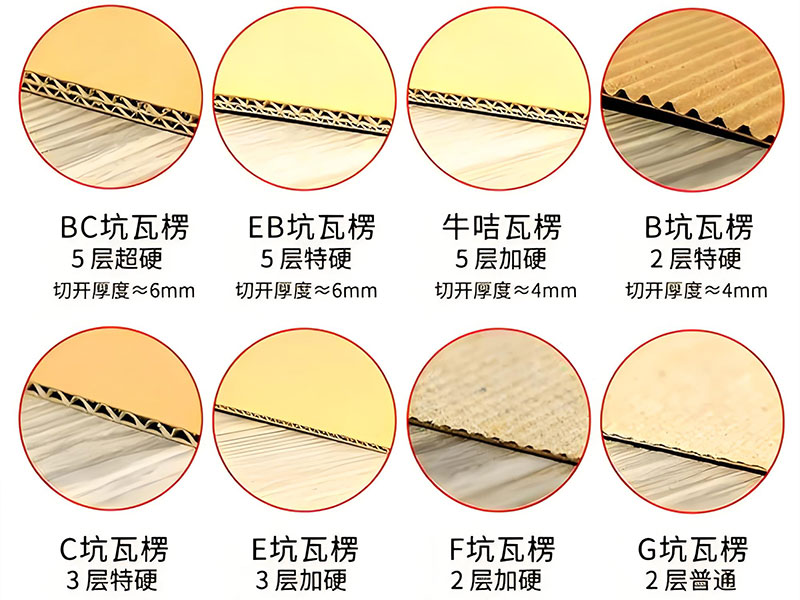
Paper cartons are the most common type of packaging in the paper products printing and packaging industry. The materials used include corrugated board, paperboard, greyboard, white card, and specialty art paper, among others. Some cartons also combine paperboard with multi‑layer lightweight embossed wood panels and specialty paper to achieve a more robust support structure. A wide variety of products are suitable for carton packaging, including pharmaceuticals, food, cosmetics, tobacco, household appliances, hardware, glassware, ceramics, electronics, and more.
In terms of structural design, cartons must vary according to the packaging requirements of different products. For example, even within the same pharmaceutical category, the packaging structure requirements for tablets and bottled liquid medicines differ significantly. Bottled liquid medicines require high‑strength, crush‑resistant rigid paperboard combined into a sturdy structure to form a protective layer. The structure generally involves both inner and outer layers, with the inner layer typically featuring a fixing device for the medicine bottles, and the outer packaging dimensions closely related to the bottle specifications. Some packaging cartons, on the other hand, are disposable—such as household tissue boxes—which do not require exceptional sturdiness but must be made from paper products that meet food hygiene packaging standards, while also being cost‑effective.
Tobacco cartons are a representative example of high standards in both materials and processes. Rigid cigarette packs use premium white card and have fixed structural forms and standard dimensions. In terms of printing techniques, many manufacturers opt for more reliable anti‑counterfeiting printing, cold foil processes, etc. As a result, printing materials and processes that feature bright, vivid colors and complex, difficult‑to‑replicate anti‑copying technologies are highly sought after by tobacco merchants. Some cartons also employ more complex structures and a variety of materials, such as various gift packaging, premium tea packaging, and even the once‑popular Mid‑Autumn Festival gift box packaging. Some packaging is designed to protect the product more securely and to highlight its value and luxury, while others are created purely for the sake of packaging itself, which does not align with the practical functions of packaging to be discussed below.
In terms of carton materials, paperboard is the dominant choice. Generally, paper with a basis weight of 200 gsm or above, or a thickness of 0.3 mm or above, is referred to as paperboard. The raw materials used for paperboard are essentially the same as those for paper. Due to its high strength and easy folding properties, paperboard has become the primary material for packaging cartons. Paperboard comes in many types, with thicknesses generally ranging from 0.3 to 1.1 mm.
Corrugated Board: Consists mainly of two parallel flat sheets—the outer liner and the inner liner—with a fluted corrugated medium formed by corrugating rolls sandwiched between them. The individual plies are bonded together with adhesive applied to the flute tips. Corrugated board is primarily used for making outer shipping containers to protect goods during distribution and circulation. Finer corrugated board can also be used as inner liners for product cartons to reinforce and protect the goods. There are many types of corrugated board, including single‑face, double‑face, double‑wall, and multi‑wall.
White Paperboard: Made from chemical pulp blended with wastepaper pulp, with varieties including ordinary white paperboard, coated white paperboard, and kraft‑lined white paperboard. There is also a white card made entirely from chemical pulp, also known as high‑grade white paperboard.
Yellow Paperboard: A low‑grade paperboard made from rice straw pulp produced by the lime process. It is primarily used as inner linings fixed inside cartons.
Kraft Paperboard: Made from sulfate pulp. Kraft paperboard with one side lined with kraft pulp is called single‑faced kraft paperboard, while that with both sides lined is called double‑faced kraft paperboard. Kraft linerboard, which is used primarily as the facing paper for corrugated board, has significantly higher strength than ordinary facing paperboard. Additionally, water‑resistant kraft paperboard can be produced by incorporating water‑resistant resins, and is often used for beverage multi‑packaging.
Composite Processed Paperboard: Refers to paperboard processed by lamination with aluminum foil, polyethylene, greaseproof paper, wax, and other materials. It compensates for the shortcomings of ordinary paperboard and offers new functions such as oil resistance, water resistance, and freshness preservation.